

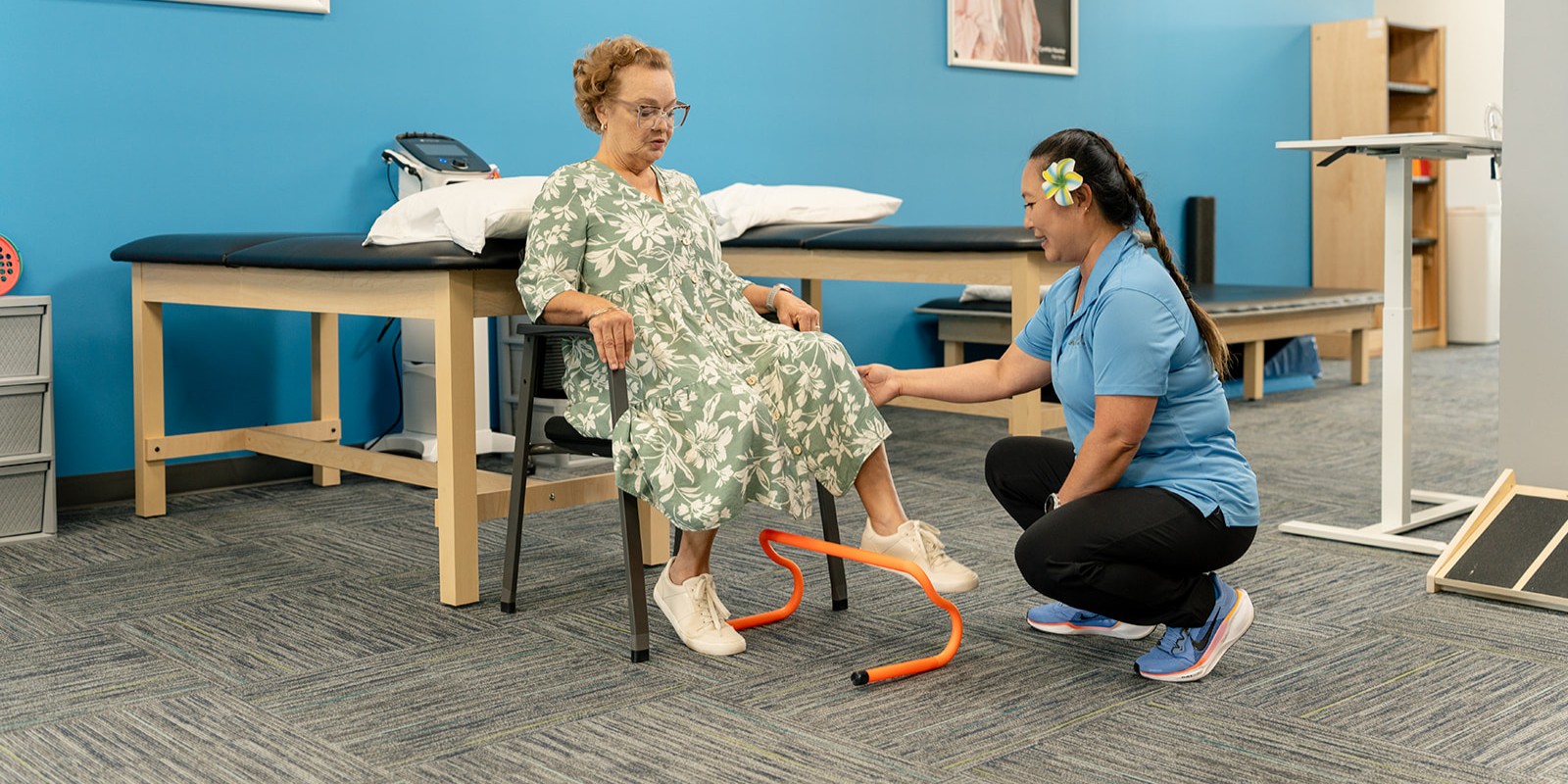
I recently heard a physical therapist share something they had not expected when they entered the profession: Some patients would not think they were a good therapist.
I had never considered that part of the job.
I am not a clinician, so I cannot speak to what it feels like to treat patients or be responsible for their progress. I do know what it feels like to receive feedback, though.
In my own work, one critical comment can take up more space in my mind than several compliments. A report may contain pages of encouraging results, and my eyes will still find the weakest number first.
That response is human. It also made me think about how much harder the criticism may land when the work is as personal as patient care.
When Patient Feedback Is Hard to Hear
Physical therapists spend their days helping people through pain, uncertainty and the hard work of recovery.
The relationship with a patient may develop over many visits. Trust is built through conversation, effort and progress.
A negative review can question the clinician’s ability or the connection they worked to create. The words are also public, leaving other people to read one patient’s version of the experience.
I can understand why that would be difficult to shake, especially for someone early in their career.
The patient’s experience still deserves attention. A review may reveal an opportunity to communicate more clearly, set expectations earlier or approach a conversation differently. Sometimes the lesson is easy to see. Other times, the clinician and patient may simply have experienced the relationship differently.
Every clinician will connect more naturally with some patients than others. That reality does not erase the care, knowledge or effort they brought to the work.
Finding the Lesson
A difficult review deserves an honest look.
There may be something useful within it. A clinician may recognize a moment they would handle differently or a change they want to carry into future patient interactions. Talking with a trusted colleague or leader may also help bring clarity.
Learning from the feedback does not require carrying every word forward.
One patient’s experience cannot sum up a clinician’s ability or the value of their work. The comment may be sincere and still represent only one relationship at one point in time.
Take what is useful. Let it make you better. Then give yourself permission to move forward.
Keeping the Bigger Picture in View
Critical feedback can be loud.
Positive feedback often arrives quietly through a thank-you, a kind review or a patient sharing something they are finally able to do again.
Those experiences count, too.
Not every positive patient experience becomes a public review. The bigger picture also includes the trust built over time, the progress that happens during ordinary visits and the people who leave the clinic feeling better than when they arrived.
That is the perspective I hope clinicians, especially those early in their careers, can hold onto.
A difficult review may offer a lesson. It should not outweigh the patients who trusted you, made progress with you and appreciated the care you provided.
Learn what you can. Remember the full picture. Keep going.
Join Our Talent Community
Please enter your information below to join and hear about new positions and clinical learning opportunities with CORA!
.jpg)