
Caring for clinicians
The Future of Physical Therapy Leadership Starts With Caring for People
APTA Magazine Content Feature
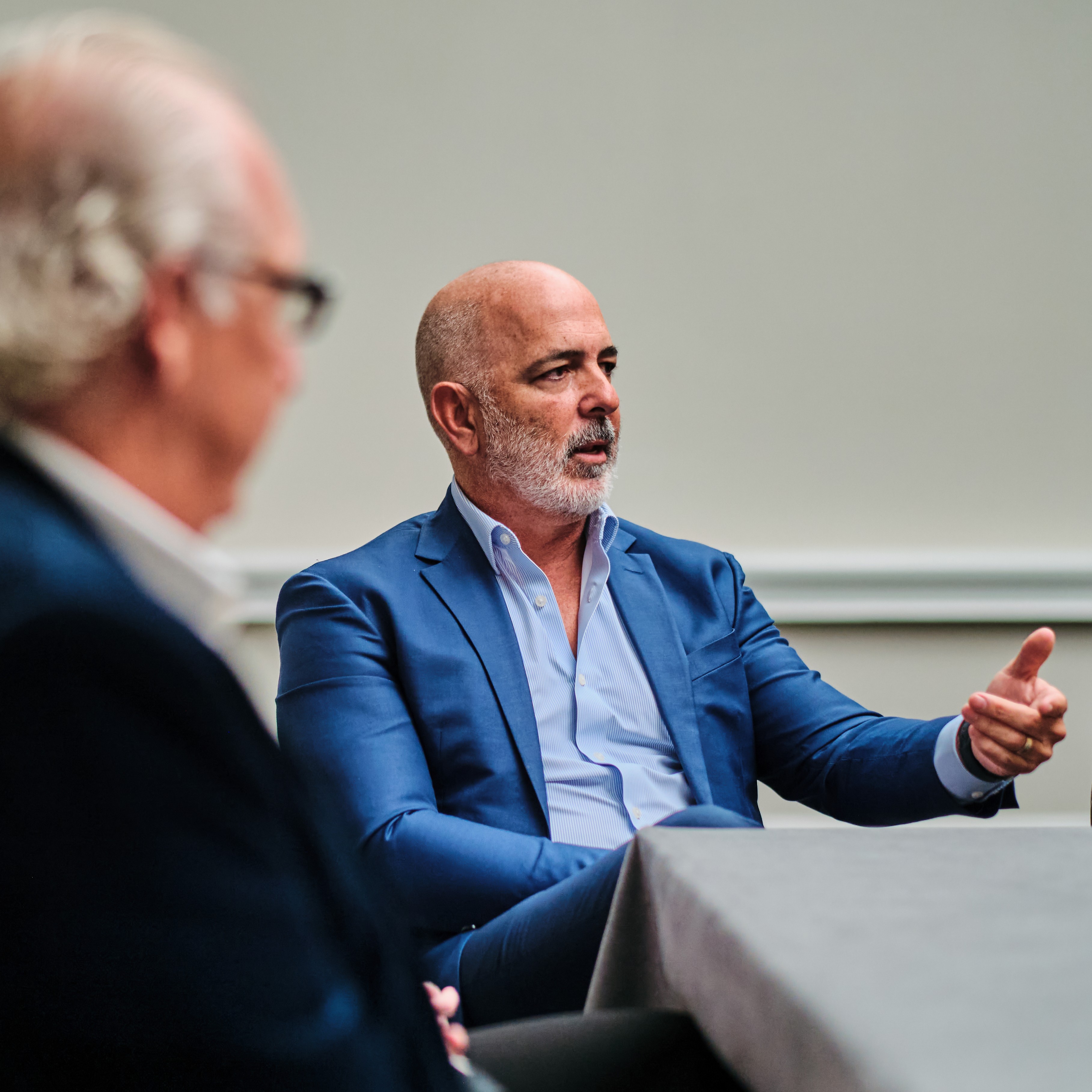
At CORA Physical Therapy, we believe exceptional patient care starts with supporting the clinicians who deliver it every day.
For Javier Othon, CEO of CORA Physical Therapy, this belief is personal. He began his career as a physical therapist in Miami more than 25 years ago and understands firsthand the privilege, pressure, and purpose that come with caring for patients.
Today, that experience shapes how CORA invests in clinicians, technology, leadership, and long-term career opportunity — all anchored by our mission of Treating Everyone Right and our first core value: Serve Everyone.
Leadership Grounded in Patient Care
Javi’s leadership philosophy was shaped in the clinic — not just in the boardroom.
As a staff physical therapist, he saw how much clinicians carry: patient care, documentation, family responsibilities, mentoring, team collaboration, and the realities of day-to-day practice. He also saw what makes physical therapy so meaningful: helping people walk again, return to work, compete again, live with less pain, and regain independence.
That perspective continues to guide CORA’s direction today.
We believe clinicians do their best work when they feel supported, trusted, valued, and connected to a larger purpose. When we create that kind of environment, patients benefit most.
“If we want clinicians to continue delivering great care, we also have to take care of the people providing it.”
— Javier Othon, CEO, CORA Physical Therapy
Supporting Clinicians Is a Patient Care Strategy
Healthcare continues to ask more of clinicians. More access. More efficiency. More outcomes. More documentation. More adaptability.
At CORA, we believe the answer cannot simply be asking clinicians to carry more. The better path is to invest in the tools, time, leadership, and long-term opportunities that help clinicians bring their best to patients and communities.
That means reducing administrative burden where we can. It means creating pathways for growth. It means recognizing long-term commitment. And it means building teams where people have each other’s backs.
This is not separate from patient care. It is part of patient care.
Giving Clinicians More Time for What Matters Most
AI-supported documentation designed to reduce administrative burden and help clinicians stay focused on care.
Nobody becomes a physical therapist because they love paperwork.
Documentation is necessary, but when it follows clinicians home or pulls attention away from patients, it becomes more than an administrative task. It becomes a barrier to balance, connection, and professional fulfillment.
That is why CORA’s partnership with Comprehend Health is an important part of our clinician support strategy. AI-supported documentation helps reduce the burden of note-taking and gives clinicians more time back for patient care, collaboration, mentorship, and life outside of work.
For CORA, technology is not about replacing the human side of healthcare. It is about protecting it.
.jpg)
Recognizing Long-Term Commitment
CORA’s Long-Term Incentive Program, or LTIP, was introduced in 2026 as an additional long-term recognition program for eligible physical therapists.
The goal is simple: recognize and reward clinicians who continue investing in their careers and helping CORA care for patients over time.
Eligible participants may have the opportunity to earn up to $5,000 in annual value while remaining in qualifying roles and meeting program requirements.
LTIP is intended to complement existing compensation and benefits. More importantly, it reflects a larger belief: when clinicians commit to building something meaningful with us, CORA should continue finding ways to commit back.
Built for long-term growth
CORA’s Long-Term Incentive Program reflects our belief that organizations should continue investing in the people delivering care every day.
A Career Built Around Purpose, People, and Growth
Most clinicians entered physical therapy because they wanted to help people. That purpose matters. It should not get lost in the pressures of healthcare.
That means investing in:
- Clinical leadership
Support from leaders who understand the realities of patient care. - Professional development
Opportunities to grow your skills, confidence, and career. - Technology that supports care
Tools designed to reduce burden and create more time for what matters. - Long-term opportunity
Programs that recognize commitment and help clinicians build meaningful careers. - A mission-driven culture
A team anchored by Treating Everyone Right and Serve Everyone.
A Conversation With cora CEO, Javier Othon, PT
Q: What guides your leadership philosophy today?
Javi: At the end of the day, our responsibility is to help patients get better and improve lives. That has to stay at the center of everything we do.
I still remember what it felt like as a staff clinician wanting to give everything you had to your patients while also trying to manage documentation, family life, and the realities of day-to-day practice. Those experiences stay with you.
That's why I believe so strongly that if we want clinicians and support teams to continue delivering great care, we also have to take care of the people providing it. Clinicians and support teams want to feel supported, valued, and able to build meaningful careers while still having balance in their lives. When we create that kind of environment, patients benefit the most.
Q: Why is that especially important in today’s environment?
Javi: Physical therapy is one of the most meaningful things you can do with your career. I say it as someone who has lived it. But Ialso want to be honest: this profession asks a lot of the people in it. The documentation, the caseloads, the feeling that you're giving everything and the system isn't always giving back. Those pressures are real, and good clinicians feel them.
When clinicians struggle, it's because they're in conditions that weren't built to support them. That's the problem worth solving. That's what we wake up thinking about every day at CORA.
This profession at its core is beautiful and if we want younger generations to become therapist and older generations to serve patients longer, we have to think differently about how we support, develop, and invest in our people for the long term. That includes building strong clinical leadership, creating real career pathways, improving the tools they depend on, and making sure the people delivering care every day feel like this organization is genuinely in their corner.
Q: How does technology support thatvision?
Javi: Nobody becomes a physical therapist because they love writing notes. They become physical therapists because they want to help people walk again, return to the field, or pick up their grandchild. That's the work. And anything that gets in the way of that work — we want to reduce it.
As a clinician, I know firsthand that documentation can swallow your day. You finish your last patient and the notes are still waiting. That's time away from your family, your own health, your life. Nobody signs up for that and nobody should have to accept it as inevitable.
That's why our partnership with Comprehend Health matters to us. AI-supported documentation is ultimately about one thing: giving clinicians and support teams their time back. Time with patients. Time with family. Time to actually breathe between sessions. When people have that, they show up differently for their patients, for their teams, for themselves.
For us, technology is not about replacing the human side of healthcare. It is about protecting it.
Q: What is CORA’s Long-Term Incentive Program?
Javi: As direct as I can be, the economics of this profession have real challenges. Reimbursement hasn't kept pace. Analysis of the 2026 Medicare fee schedule shows that adjusted for inflation, payments for core PT services have dropped roughly 40 percent since 2002. That's a fact, and I think any leader worth listening to should acknowledge it rather than dance around it.
But here's the thing, knowing that makes our investment in people feel more important, not less.
Our Long-Term Incentive Program, introduced earlier this year, is our way of saying we see what you're building here, we know what you're up against, and we're choosing to invest in you anyway. Eligible clinicians including physical therapists, occupational therapists, speech therapists, and others may have the opportunity to earn up to $5,000 in annual awards while remaining in qualifying roles and meeting program requirements. Not because the industry handed us extra margin. Because we decided this matters.
The LTIP is designed to complement existing compensation and benefits, and it reflects something we believe deeply, that organizations should keep investing in the people delivering care everyday, especially when the environment makes that harder, not easier.
In physical therapy, long-term clinician retention matters for reasons that go well beyond any single clinic. It supports continuity of care, strengthens patient relationships, creates mentorship opportunities for developing clinicians, and builds the kind of stable, values-driven culture that patients and teammates alike deserve.
Q: What do you want clinicians considering CORA to know?
Javi: Having started as a staff therapist myself, I understand how important it is to feel like you are growing, contributing, and building something meaningful alongside people who genuinely want to see you succeed.
Source: APTA Magazine, August/September Issue, 2026
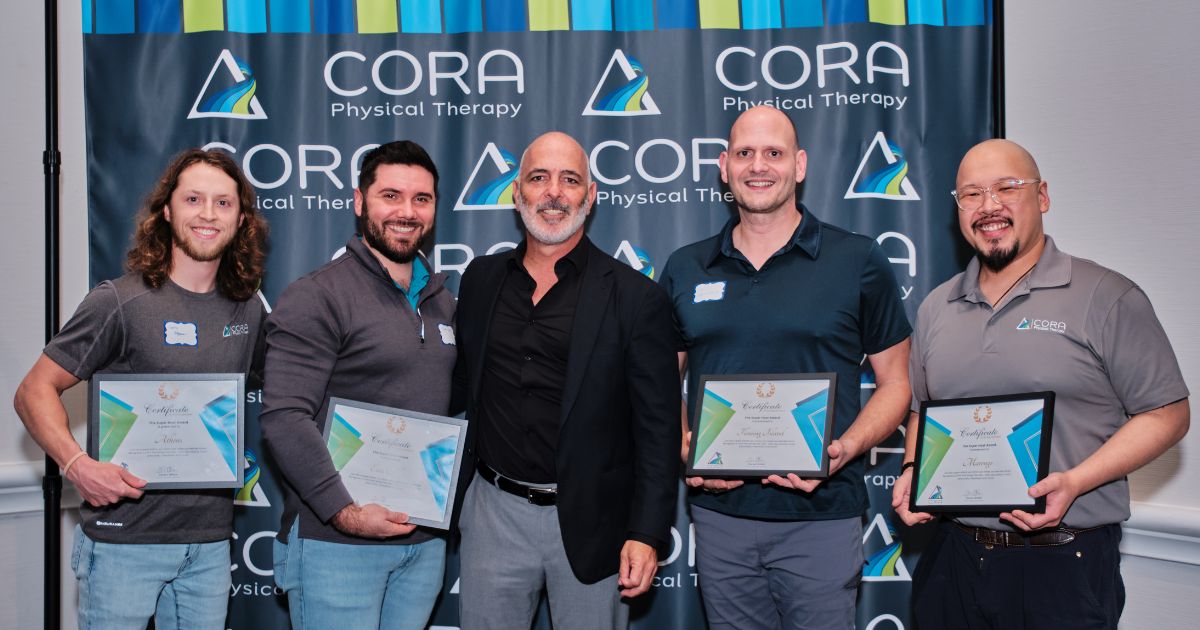
Bring Your Best to Patient Care. Build Your Future With CORA.
If you are looking for a place where your work matters, your growth is supported, and your commitment to patients is valued, we would love to connect.
Explore career opportunities at CORA Physical Therapy and learn how we are investing in clinicians, technology, leadership, and long-term growth.
About CORA:
CORA Physical Therapy is a purpose-driven, outpatient rehab provider offering high-quality care in clinics across the U.S. We support our therapists with competitive pay, monthly incentives, flexible schedules, unlimited continuing education, and automated AI note-taking—so you can focus on what matters most: your patients and your life outside of work.