

A patient mentions they spent the weekend gardening. A few weeks earlier, they weren’t able to sit comfortably in their backyard.
That is a meaningful outcome, even if the patient delivers it in passing on the way back for their visit.
Physical therapists and physical therapist assistants understand the work behind that progress. National Physical Therapy Month gives us an opportunity each October to help more people understand it, too. We celebrate our profession by showing its impact and thinking about how we can deliver even better care in the years ahead.
There is much to celebrate—and important work ahead.
Helping People See What Physical Therapy Makes Possible
Patients often arrive focused on a particular limitation. What they hope to regain is the life around it.
An improvement in balance might mean feeling comfortable living alone. Greater strength might make a demanding workday manageable again. Understanding how to move safely can help someone stop organizing their life around what they are afraid to do.
Those changes are meaningful. They affect not only patients but families and caregivers as well. The impact travels further than the appointment.
When we help people connect those everyday gains to the full scope of physical therapy, we make the profession easier to understand—and easier to seek out. Someone who associates physical therapy only with surgery or injury may not realize it can also help with incontinence after childbirth or concerns about balance. PT Month gives us a reason to start those conversations, but they matter all year.
Being Committed Should Not Mean Being Exhausted
Clinicians bring tremendous skill, energy and commitment to their work.
Supporting them well helps that commitment remain a source of purpose and growth throughout a career.
That support can be practical: thoughtful workflows, opportunities to collaborate on complex cases and tools that make the day work better. These choices give clinicians more room to focus on their patients, strengthen their practice and learn from one another.
This is not about removing every challenge from meaningful work. It is about being attentive to how the work is designed and making changes that help people do it well over time.
In my earlier article on keeping physical therapists in the profession, I discussed the importance of protecting the attention that good care requires. When clinicians have the capacity to stay curious, develop their skills and remain present with patients, both the work and the care are stronger.
Our responsibility is to keep creating an environment where clinicians can do work they are proud of and build careers they want to continue.
Clinical Growth Is Progress Worth Recognizing
Licensure and advanced certifications are meaningful milestones.
So is the point when a newer clinician can explain a difficult decision with confidence—or an experienced clinician recognizes that a familiar approach needs to change.
Ashley Langford, our Director of Clinical Excellence, explores this in his writing on clinical mentorship. Good mentorship helps people examine their reasoning and become more independent in their judgment. It also keeps experienced clinicians learning. A thoughtful question from a student can be surprisingly effective at exposing something we have stopped questioning.
Our investment in clinical and continuing education should lead to better practice. Completing a course is an accomplishment. Applying what we learned is where the patient benefits.
That growth can take different forms over a career. In her article on careers that last, Katt Bolduc, our Senior Vice President of Operations, describes the importance of making room for changing interests. A clinician may develop a specialty or discover that helping colleagues succeed is work they want to pursue more deeply.
Keeping that experience in the profession benefits everyone who learns from it.
Technology Should Earn Its Place in the Workday
We have good reasons to be optimistic about better tools.
We also have good reasons to ask whether they are actually helping.
In her article on AI documentation, Emily Elliot, PT, DPT, describes how technology can reduce repetitive work and help clinicians focus more fully on the patient. The clinician still reviews the record and remains responsible for clinical decisions.
The useful measure is what changes in practice. Can someone finish documentation with less work spilling into the evening? Can they spend less of an appointment looking at a screen? Those are improvements worth pursuing.
Digital Health creates another opportunity by bringing care beyond our clinic walls. Extending our reach means considering how care can fit into people’s lives, including when getting to a clinic is difficult.
A new platform is not an outcome. What it helps people accomplish is.
The Future Depends on the People Doing the Work
The most encouraging developments in physical therapy connect patient well-being with clinician well-being.
Better support allows clinicians to develop their expertise and continue contributing. Patients benefit from that experience.
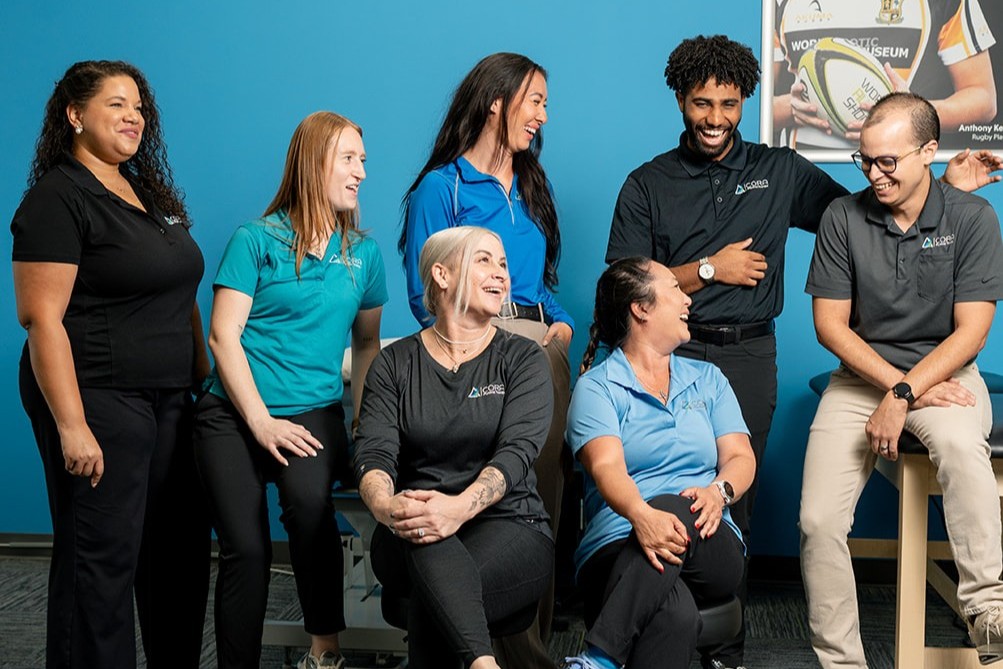
At CORA, our growing team gives us more knowledge to share and more opportunities to learn from one another. That potential becomes real when someone makes time to help a colleague or shares an insight that improves care.
PT Month is a good time to recognize those contributions. Be specific about what a teammate did and why it helped. High standards and high fives can coexist.
It is also a good time to share what our profession makes possible. An honest story about patient progress or a lesson from clinical practice can help someone understand physical therapy differently. It may even help a future clinician see a place for themselves in the work.
To all PTs and PTAs, thank you for your judgment, your care and your willingness to keep learning. To all physical therapy students and the people supporting that care, you are part of the profession’s future.
We have much to celebrate, and even more to build together.
Join Our Talent Community
Please enter your information below to join and hear about new positions and clinical learning opportunities with CORA!
.jpg)