

Dry needling certification for physical therapists comes up often when clinicians are deciding what to learn next. One of the questions I hear is when the training makes sense.
Some are new graduates who want to keep building on their anatomy knowledge. Others have been practicing for years and are looking for another way to approach patients who are not progressing as expected.
Interest is a good starting point. Readiness also depends on state regulations, education, clinical judgment and access to experienced instruction.
In a Clinical Conversations episode, I spoke with Dr. Ken Cooper, Lead Instructor at Master Dry Needling, about the training process and the points clinicians should consider before enrolling.
Dry needling can be a valuable tool within a broader plan of care. Learning to use it well takes careful training, respect for scope of practice and a commitment to keep developing after the first course.
What Is Dry Needling?
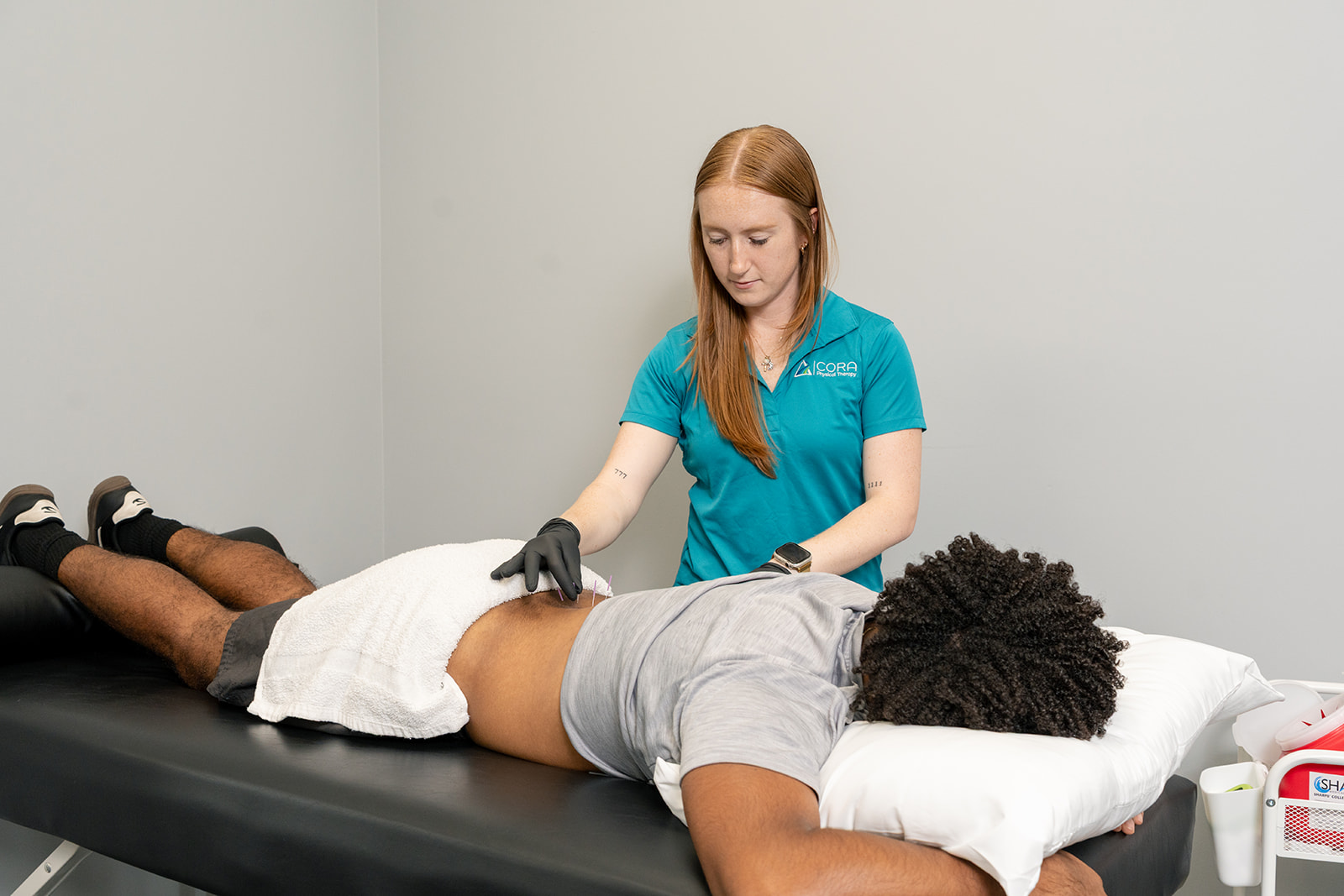
Dry needling is a technique that some physical therapists use, where permitted by state law, to address pain and movement impairments. The clinician inserts a thin needle, without medication or injection, into targeted areas of muscle.
Physical therapists may use dry needling to address trigger points, muscle tension, pain or range-of-motion limitations. The technique is generally used alongside movement, exercise, manual therapy and patient education as part of a larger treatment plan.
Patients are also asking about it more often. As Dr. Cooper explained:
“The demand for dry needling has grown significantly as patients look for effective pain relief options beyond traditional pharmaceuticals.”
Patient interest does not replace a clinical evaluation. The therapist still has to decide whether the technique is appropriate, explain it clearly, obtain informed consent and follow every applicable safety requirement.
When Should a Physical Therapist Pursue Certification?
Career stage is one consideration. State rules, course eligibility, professional experience and the patients you treat also shape the decision.
A useful first question is straightforward: What clinical need am I trying to address?
The answer may come from a recurring patient challenge, an area of specialty interest or a desire to expand your approach to pain and movement. A clear reason gives the training a practical purpose.
Dry Needling Training Early in Your Career
Recent graduates often have anatomy and physiology fresh in their minds. That foundation can support the detailed study required for dry needling.
Recent coursework is the beginning. Safe practice requires postprofessional education, hands-on instruction and demonstrated competency. Some states also set experience, training-hour or supervision requirements.
Dr. Cooper sees value in starting early when the clinician has confirmed the rules that apply:
“Acquiring skills early in your career, provided state regulations are met, equips therapists to broaden their treatment scope.”
New clinicians should also think about the support available after class. Access to an experienced dry needling clinician can help with questions, technique review and the transition from a course setting to patient care.
Dry Needling Training for Experienced Physical Therapists
Experienced clinicians often arrive at dry needling training with a clear sense of what they want to learn.
They may see a particular patient population, work in orthopaedics or sports rehabilitation, or encounter cases where an additional treatment option could be useful. Their clinical experience can help them place the new technique within a broader evaluation and plan of care.
I have seen dry needling give clinicians another way to think through cases that have not responded as expected. The value comes from choosing the technique for the right clinical reason and connecting it to the rest of the patient’s treatment.
What Does Dry Needling Training Cover?
The introductory Master Dry Needling course discussed in our Clinical Conversations episode is a three-day, hands-on course. It reviews relevant anatomy, safe needle handling and the clinical application of introductory techniques.
Course length is one part of the picture. State boards may require additional education, experience, assessment, supervision, documentation or other conditions before a physical therapist can perform dry needling.
Quality training should place a strong emphasis on:
- Three-dimensional anatomy.
- Needle handling and safety.
- Precautions and contraindications.
- Patient communication and informed consent.
- Clinical reasoning and technique selection.
- Integration with the full plan of care.
- Documentation and response monitoring.
Dr. Cooper describes safety and anatomy as central parts of the learning process:
“Our training programs are designed to instill a deep understanding of the necessary safety measures and anatomical considerations.”
Dry Needling Laws and State Requirements
Dry needling laws are different across the country. Some states expressly allow physical therapists to perform it, some prohibit it and others do not have a clear provision. Requirements can also change.
Before registering for a course, review:
- Your state physical therapy practice act and licensing-board guidance.
- Required training hours or professional experience.
- Referral, supervision or documentation rules.
- Course or instructor approval requirements.
- Your employer’s clinical and compliance policies.
The APTA dry needling laws map is a helpful starting point. Clinicians should confirm the latest requirements directly with their state licensing board before practicing.
How Dry Needling Certification for Physical Therapists Can Support Career Growth
Dry needling certification for physical therapists can add another clinical option and support the development of a specialty interest. Its value depends on how thoughtfully the clinician uses the training.
The skill may help a physical therapist:
- Expand their approach to pain and movement impairments.
- Work with patient populations that fit the technique.
- Strengthen anatomy knowledge and clinical reasoning.
- Collaborate with clinicians who use complementary approaches.
- Build toward advanced coursework or a specialty focus.
- Mentor teammates after gaining appropriate experience.
Certification does not guarantee referrals, compensation or better outcomes. It gives the clinician another option to consider within an evidence-informed plan of care.
Questions to Ask Before Choosing a Dry Needling Course
A course should fit your clinical goals and satisfy the requirements where you practice.
Before enrolling, ask:
- Is dry needling within the physical therapy scope of practice in my state?
- What education or experience does my state require?
- Does my employer permit the technique?
- Is the course approved for my license and location?
- How much hands-on practice and instructor feedback will I receive?
- How thoroughly does the course cover anatomy and safety?
- What assessment is required to complete the course?
- Will I have access to mentorship or follow-up education?
- How will I use the skill with the patients I currently treat?
The answers should be specific. A polished course description cannot replace clear information about instruction, competency and regulatory compliance.
Continuing Beyond the First Course
The first course establishes a foundation. Competence grows through appropriate practice, feedback, continuing education and regular review of anatomy and safety procedures.
Advanced coursework may cover additional body regions, more complex clinical presentations or specialty applications. Clinicians should choose further education based on patient needs, scope of practice and honest assessment of their current skills.
Mentorship is especially helpful here. An experienced clinician can review decision-making, answer questions and help a newer practitioner recognize when a different treatment approach may be more appropriate.
Finding an Employer That Supports Clinical Development
Dry needling training takes time and an investment in continuing education. The work environment can make that process easier.
When evaluating an employer, ask about:
- Internal and external continuing education support.
- Access to experienced clinicians and mentors.
- Clinical policies for advanced techniques.
- Opportunities to practice new skills with guidance.
- Specialty development and clinical career pathways.
At CORA, clinicians have access to internal learning, mentorship, specialty development and support for approved external continuing education.
Explore professional development opportunities at CORA.
My Advice for Physical Therapists Considering Dry Needling
Start with your reason for pursuing the skill.
Think about the patients you serve, the clinical gap you want to address and the support you will have after the course. Confirm your state’s requirements before committing time or money. Choose training that takes anatomy, safety and clinical reasoning seriously.
Dry needling certification for physical therapists can be worthwhile at several stages of a career. The right time is when the training fits your scope, your clinical goals and your readiness to keep practicing and learning.
Grow Your Physical Therapy Career at CORA
CORA supports clinicians who want to deepen their expertise, develop specialties and learn from experienced teammates.
Search physical therapist career opportunities at CORA.
Frequently Asked Questions About Dry Needling Certification
Q: What is dry needling certification for physical therapists?
Dry needling certification generally refers to postprofessional coursework and competency development that prepares a physical therapist to use the technique. Requirements and terminology vary by training provider and state licensing board.
Q: Can a new graduate physical therapist pursue dry needling training?
Possibly. Eligibility depends on state law, licensing status, required professional experience, course rules and employer policy. New graduates should confirm each requirement before enrolling.
Q: How long does dry needling certification take?
Introductory courses may take several days. The Master Dry Needling introductory course discussed here is three days. Some states require additional hours, experience or training, so one course may not satisfy every requirement.
Q: Is dry needling legal for physical therapists in every state?
No. State laws vary. Some states allow it, some prohibit it and others have no specific provision. Review current guidance from APTA and your state licensing board.
Q: Does dry needling certification guarantee better career opportunities?
No credential guarantees referrals, compensation or advancement. Dry needling training can expand a clinician’s skill set and support specialty development when it fits the therapist’s patient population, professional goals and scope of practice.
Q: What should physical therapists do after an introductory course?
Continue practicing within applicable rules, seek feedback from experienced clinicians, review anatomy and safety procedures, and pursue additional education that fits your clinical needs.
Join Our Talent Community
Please enter your information below to join and hear about new positions and clinical learning opportunities with CORA!
.jpg)